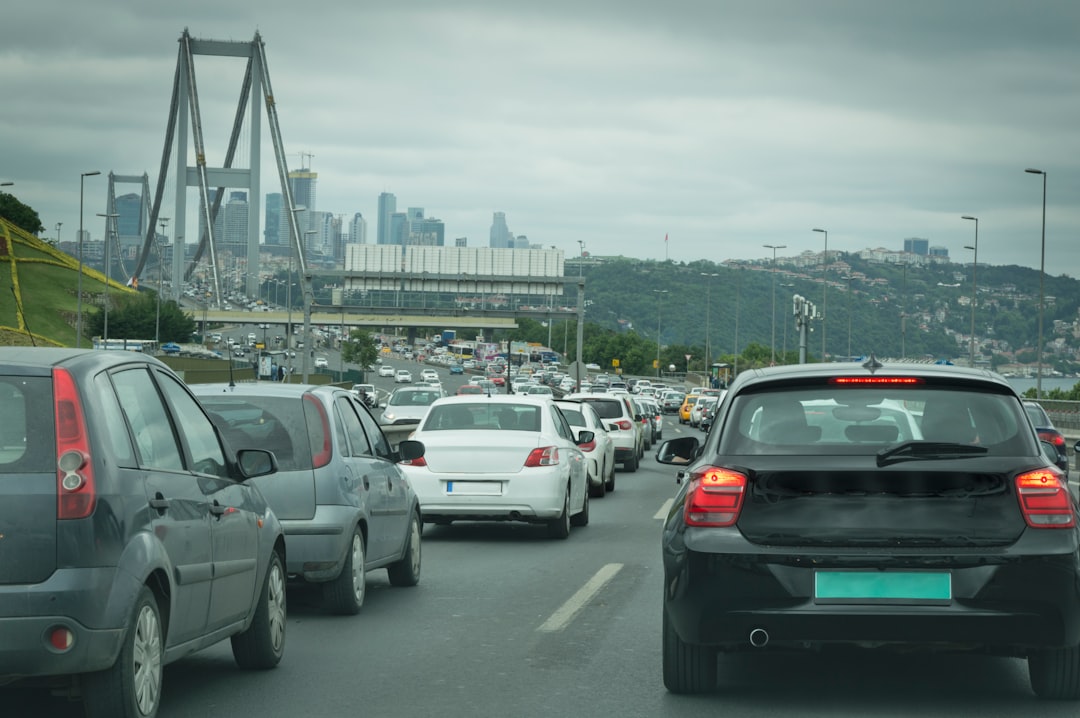
Jan 2026 Border Congestion: Carpool to Cut SA Emissions
Beitbridge border congestion in January 2026 is hitting peak levels, with over 25,000 travellers processed daily as holidaymakers rush back post-festive season[1][3][4]. Freight trucks face separate delays, adding pressure to South Africa's already strained roads and spiking road freight emissions[1]. For thousands of South African commuters, this means gridlock on the N1 from Musina to Polokwane, turning everyday hikes into hours-long ordeals[2]. But there's a simple fix cutting vehicle numbers and emissions: carpooling South Africa style through CrabaRide.
The Current Situation in South Africa
South Africa's borders are under massive strain right now. At Beitbridge, the busiest land port, officials report traffic surging from 11,000 on January 1 to expected peaks of 18,000 daily, with freight handled separately to ease congestion[1].
The Border Management Authority (BMA) has set up bypasses for taxis, buses, and small vehicles, but freight delays persist[1]. This Beitbridge congestion January 2026 spills onto major routes like the N1, where roadblocks between Musina and Polokwane manage southbound flows and unroadworthy vehicles[2].
Global logistics trends warn of ongoing border bottlenecks from December into January, amplifying South Africa border delays for goods and people alike[1]. In Limpopo and beyond, this means longer queues at robots and slower combi movements, hitting commuters hard as schools and offices reopen.
How This Affects SA Commuters
Border chaos doesn't stop at Beitbridge—it clogs highways feeding into Joburg, Pretoria, and Durban. Imagine your Sandton to Midrand commute: extra trucks from delayed freight mean more taxis and solo drivers, worsening emissions and fuel waste.
Road freight emissions skyrocket during these peaks, as idling trucks pump out CO2 on the N1[1][2]. For you, the daily hustler, this translates to higher petrol prices, longer waits at tolls, and riskier roads packed with fatigued drivers post-holidays.
In Cape Town or Durban, ripple effects hit via supply chains—think pricier groceries from delayed imports. Stats show SA's transport sector accounts for 11% of national emissions, with road freight a big culprit during surges like this[1]. Your lift club could slash that personal footprint by 50-70%.
CrabaRide's Solution
CrabaRide steps in as South Africa's trusted carpooling answer to these woes. By matching drivers and passengers on regular routes, it slashes vehicle numbers on roads, directly cutting road freight emissions—no, wait, commuter emissions too, easing the border spillover.
Picture this: a Pretoria driver heading to Joburg picks up three colleagues via CrabaRide. That's one car instead of four, saving fuel and dodging N1 gridlock from Beitbridge backups[2]. Platforms like CrabaRide verify everyone with ID and car registration, so you hike safely without combi uncertainties.
Unlike taxis or informal lifts, carpooling South Africa through CrabaRide builds workplace lift clubs. Users save 50-70% on costs while reducing cars on Gauteng freeways or Cape Town's N2. It's greener travel that fights South Africa border delays by keeping local roads fluid.
Practical Steps to Get Started
Ready to beat the rush? CrabaRide makes joining a lift club dead simple—via app, website, or WhatsApp. Here's how to dive in and cut your emissions today.
- Download or sign up: Grab the CrabaRide app or WhatsApp +27713638315. Enter your ID for instant verification—takes minutes.
- Set your route: Input daily spots like Fourways to Centurion or Durban CBD to Umhlanga. Match with verified drivers or passengers nearby.
- Build a lift club: Post for regulars—e.g., "Midrand to Sandton, Mon-Fri, R20/share." Safety first: share trip details and emergency contacts.
- Address concerns upfront: All users verified, so no strangers. Track rides in-app, and rate post-trip for trust.
- Go green and save: One Sandton commuter shared: "Saved R500/week, skipped robot jams, and cut my emissions hugely." Start small, scale to full carpool.
For Joburg folks dodging N1 freight from Beitbridge, aim for early birds—leave before peak to avoid spillovers[2]. In Pretoria, pair with robot-savvy drivers. Cape Town users, link Sea Point to Table View for N2 relief. Safety tip: Always confirm vehicle reg and chat pre-trip.
Common worries? Trust is core—CrabaRide's ID checks beat taxi hails. Costs? Split evenly, cheaper than Uber or fuel solo. Emissions? Four people per car means 75% less pollution per person.
Expand your circle: Invite colleagues for consistent lift clubs. Track savings via app—many hit R2,000/month. During January peaks, it's your edge against Beitbridge congestion January 2026.
Why Carpooling Beats the Congestion
Think bigger: SA's roads groan under 20 million vehicles, but carpooling flips that. Research shows shared rides drop traffic by 20-30% on busy routes, easing South Africa border delays indirectly by freeing freight lanes[1].
Local wins abound. A Durban office worker carpools La Lucia to Umhlanga, skipping combi queues. In Cape Town, False Bay lifts cut N2 emissions amid tourist surges. CrabaRide powers these stories, focusing on safe, verified carpooling South Africa.
Freight delays at Beitbridge highlight the need—trucks idle, emissions soar, roads clog[4]. Your lift club keeps passenger cars off, letting freight flow better.
Emissions Impact: Numbers That Matter
Let's crunch it. One solo commuter emits ~2kg CO2 per 50km drive. Four in a carpool? Just 0.5kg each—75% cut.
Scale to SA: If 10% of Joburg commuters carpool, that's millions of litres saved yearly. Amid road freight emissions spikes from borders, your choice counts[1].
Pretoria to Joburg route alone sees thousands daily. CrabaRide users report halving costs while greening commutes—no greenwashing, real impact.
Safety and Community on the Road
Safety seals the deal with CrabaRide. Verified IDs mean no unknowns, unlike roadside taxi hails.
Community builds too—chat routes, share robot tips, form lasting lift clubs. Post-Beitbridge fatigue? Shared driving rotates rests.
One user: "From Musina-side traffic fears to smooth Gauteng rides—CrabaRide changed my hike game."
Conclusion
Jan 2026's Beitbridge congestion reminds us roads are shared—freight, commuters, emissions all collide. Switch to CrabaRide carpooling: save cash, slash pollution, skip the chaos. Greener SA starts with your next lift—join the ride today.
Get started on Crab a Ride today: online at https://crabaride.co.za or directly via WhatsApp (+27713638315).
Comments
Join the conversation! Email us your thoughts at contact@crabaride.co.za.